First impressions are growing more important in the world of internet commerce. Your website is more than just a digital storefront; it is the face of your company, a tool for converting visitors into customers, and an important cash generator.
Custom eCommerce website design takes much more than simply using generic themes. It reflects your brand, products, and client needs. Custom eCommerce websites with well-planned design selections, based on user friendliness and psychology, can significantly increase conversion rates, help develop a bottom-up relationship with customers, and boost overall revenues.
According to research, nearly 48% of online users determine if a business is reliable based on the appearance of its website. Furthermore, a poor website design can prevent 57% of visitors from promoting your company. Online retailers can successfully address these issues and enhance earnings by investing in custom-made designs.
The article explores how customized eCommerce designs may improve user experience, build trust, and increase conversions. We will examine key characteristics, psychological theories, and practical cases to demonstrate why a customized strategy is essential for increasing sales.
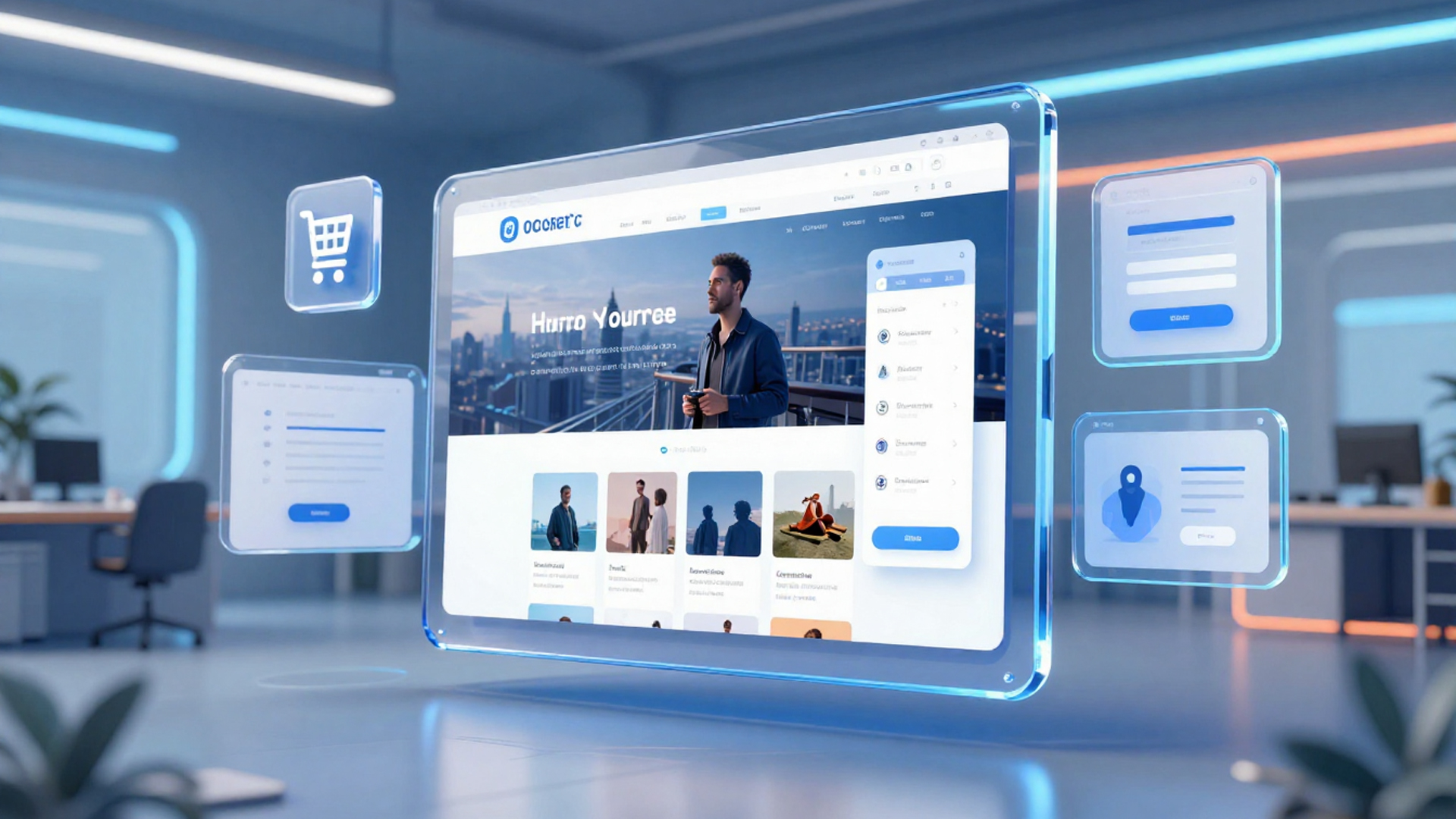
A custom eCommerce website design is an online store that is tailored to your company's exact needs rather than a generic template. A customized design allows you to control the appearance and functionality of your store, as compared to pre-made themes, which offer limited flexibility.
When you create a custom design, you:
Simply said, custom eCommerce design allows you to build a personalized customer journey that increases engagement and sales.
Custom eCommerce website design offers clear benefits that can be directly converted into higher sales. It promotes user-centric features, which serve to minimize consumer hesitancy and push them to make a purchase. Let us take an in-depth look at the primary advantages.
Maintaining visitor engagement with an ongoing UX design is important. Custom designs place simple navigation first, allowing users to rapidly find the products they need. As a result, your bounce rates will decrease while visitors' stay on your site will increase.
Short paragraphs like this keep content digestible. Bullet points highlight specifics:
Improved UX can boost conversion rates by up to 400%. When shoppers enjoy browsing, they're more likely to complete purchases and return.
Your website is often the first interaction with your brand. Custom design lets you infuse personality through colors, fonts, and imagery. This consistency builds recognition and trust.
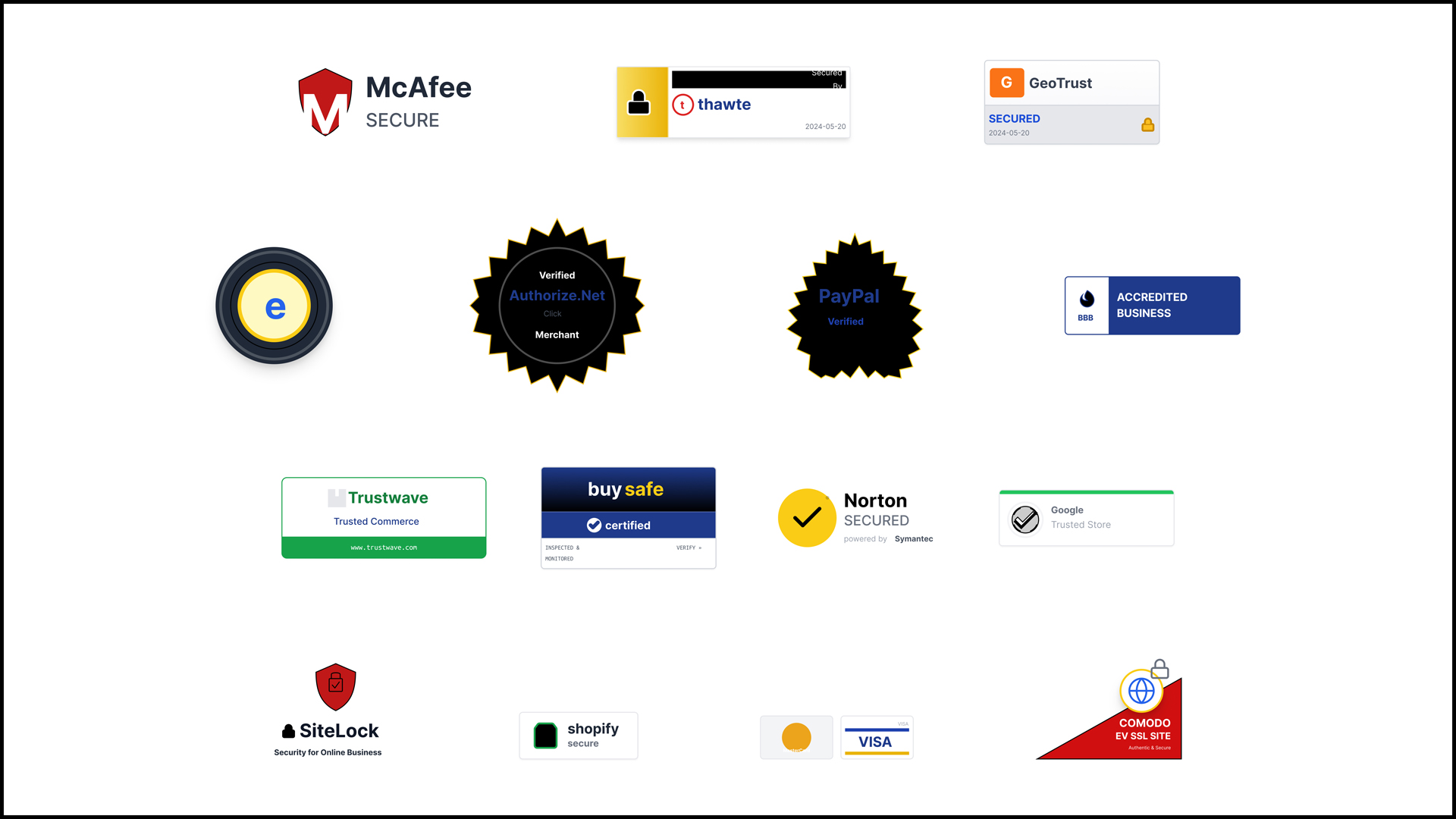
Trust indicators are vital. Include visible contact info, security badges, and clear policies. These elements reassure users, turning skeptics into buyers.
Better UX can increase conversion rates by up to 400%. If clients enjoy a good browsing experience, they are more likely to complete their purchases and return.
Mobile commerce will be responsible for 62% of total purchases by 2027; therefore, a responsive design has become a must-have rather than a choice. Custom websites automatically adapt their appearance to the screens of smartphones and tablets. This ensures that users get the same level of ease, despite which device they are using.
Mobile-first methods include touch-friendly buttons and fast-loading pages. They enhance SEO ranks too, as search engines appreciate flexible webpages.
If you ignore mobile, you risk losing a large number of prospective orders. Custom responsiveness allows you to efficiently grab and hold the attention of an ever-increasing mobile user base.
Being visible is the initial step towards getting consumers. Custom creation provides a new SEO environment and structural benefits.
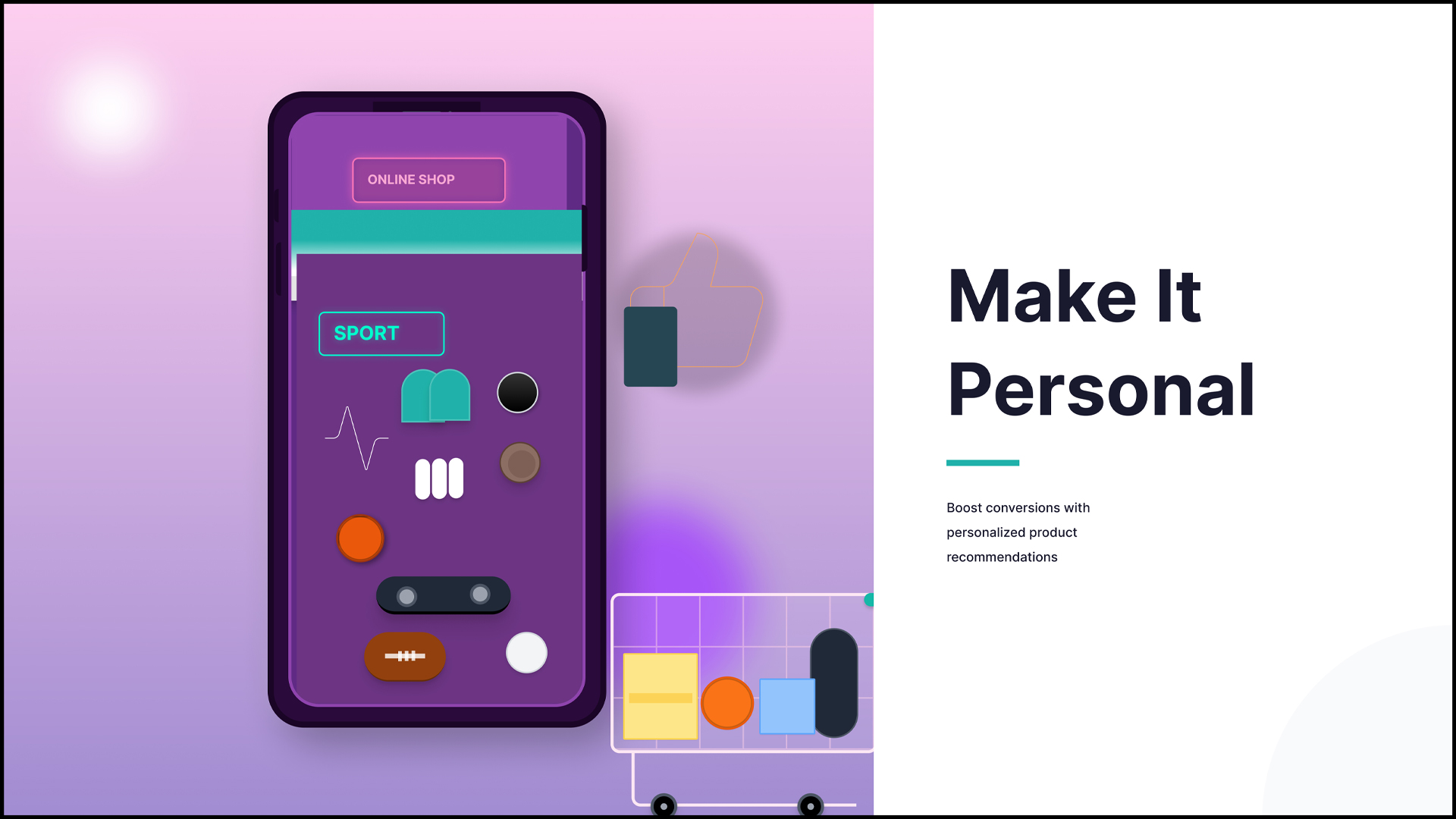
Now, personalization is the thing that converts generic browsing into unique journeys. Custom designs gather data to propose products according to the user's activity. This helps clients to be more emotionally attached to the brand, and it feels like the brand acknowledges their requirements.
Some of the functions that can be included are wishlists, dynamic content, and AI chatbots. These technologies make it easy for customers to identify products that meet their needs.
Personalized experiences keep clients returning. They result in more frequent visits and bigger average order values.
Slow websites make users unhappy and lose sales. Custom eCommerce designs increase the site speed by reducing superfluous code. Therefore, the load time becomes faster.
You should make use of strategies such as compressing images and loading them lazily. Also, use trustworthy servers with CDNs to ensure international access.
Fast-loading websites are capable of keeping visitors around for a longer time. They also have higher rankings in the search results, thus bringing in more traffic.
The checkout is the step where sales are completed or lost. Custom designs can make this stage more efficient, which decreases the chance of a consumer leaving. The main focus should be on simplicity and security.
One, page checkouts and guest choices can drastically minimize the number of processes necessary. Use progress bars to offer an indication of how far the procedure is.
Complex checkout processes contribute to cart abandonment in as many as 73% of cases. Custom adjustments can bring back these lost sales.
There is a science to design just as there is to the human mind and behavior. When it comes to custom eCommerce websites, they carefully utilize colors, layouts, and structures to psychologically affect consumer decision-making. Therefore, this indirect manipulation boosts the quantity of sales.
Colors are capable of boosting our feelings: the color blue denotes trust, whilst the color red signifies the sensation of urgency. Use these colors especially in the call, to, action buttons and promotional banners.
Layouts are made to comply with the reading habits, such as the F shape pattern. Hence, it is essential to put the primary components of your site where people's eyes are naturally attracted.
By using these concepts, you can boost your company's brand awareness by 80%. Without being too blatant, they can make your website a lot more compelling and hence contribute to increased conversion rates.
High-quality images are a great approach to bring together the online and in, store experiences. To let clients understand things better, unique designs contain attractive photographs and videos.
Use multiple viewpoints, zoom features, and lifestyle images. Retouch for accuracy and appeal.
Interactive elements like quizzes add fun. They personalize recommendations and collect data.
These traits diminish returns and develop emotional bonds. They turn browsers into eager shoppers.
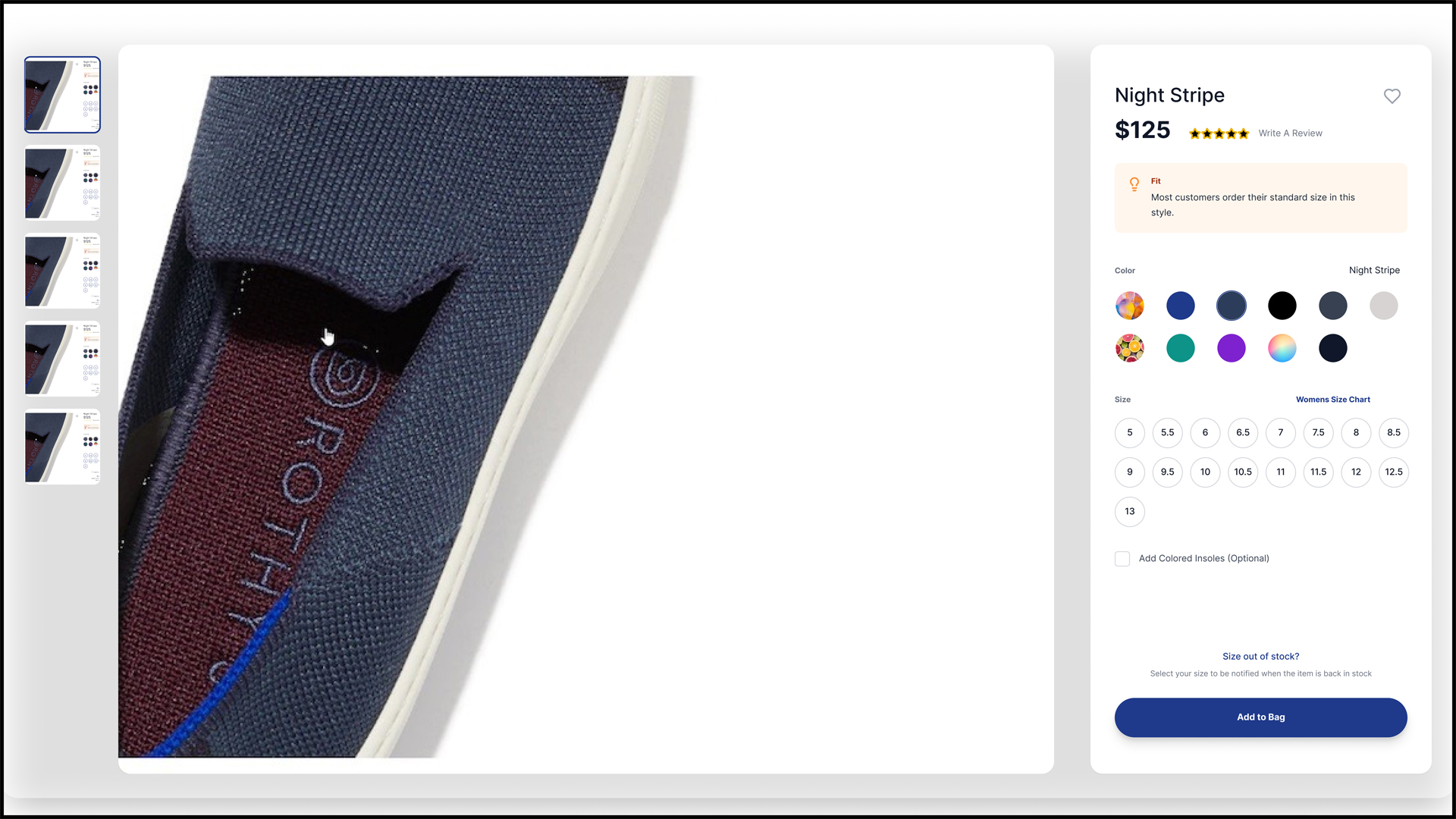
Planning is necessary when you decide to start with a custom design. BigCommerce is a wonderful choice if you wish to have a flexible platform. They provide templates for you to utilize as a base, but also give you the ability to fully modify the design.
Concentrate on objectives: gaining more sales, making clients loyal, or getting new markets. Add tools for analytics and testing.
Collaborate with professionals if required. The return is in the long-term increase in sales.
Custom designs may grow with your business. When your company expands, you can add functionality, and your site will always be ready for the future.
Although a custom eCommerce website would require you to invest more money initially than a simple template, the return on investment (ROI) is evident. Custom design that focuses on speed, trust, mobility, early usability, and a frictionless checkout not only makes your store appear amazing but also makes it work better.
Nowadays, when your competition is only a few clicks away, a custom, customized experience is the ultimate winning factor. It converts casual visitors into committed consumers and turns the underperforming business into a high-revenue brand.
Do you want to enhance your sales? Stop trying to force your brand into a template and start designing a website that reflects your brand.

CEO & Founder of DecodeUp, a tech agency helping brands scale in eCommerce and Fintech. With 12+ years of experience, he blends technical expertise with business insight to build user-focused platforms that drive growth, engagement, and lasting impact.


stay in the loop