As the end of 2025 approaches, eCommerce in the USA is at an important point. Retail eCommerce sales are expected to reach $1.29 trillion this year, indicating long-term growth despite economic uncertainties and shifting consumer habits. Ecommerce currently accounts for over 16% of total US retail sales, as online enterprises compete with major retailers such as Amazon and Walmart, while smaller businesses innovate their way to greater market share.
In this rapidly growing context, AI in web development has emerged as a game-changer. AI-based solutions are no longer just for developers in major organizations; they are now available to those in e-commerce as well. From more client-oriented online buying and booking to the employment of autonomous programs to solve all of the difficulties that clients face, AI has triggered a revolution in web development within the eCommerce sector. This book explains in detail why AI should be adopted by eCommerce organizations in the United States, its key benefits, practical applications, what AI trends will look like in 2026, the best tools for implementing it, real-world significance, and good advice on how to do it effectively.

The growth of the US eCommerce market, which is driven primarily by m-shopping, s-commerce, and post-pandemic habits, necessitates quicker, more intuitive, and highly tailored experiences. As many as over 80 percent of American consumers today anticipate recommendations that are tailored just for their needs, and sites that fail to provide such an experience observe greater bounce rates as well as lost income.
AI is intended to work as a help to the developers and does not substitute them completely. Examples are GitHub Copilot, which streamlines the process of coding and machine learning algorithms that provide real-time customisation. Some of the important drivers in the USA include:
Businesses using AI claim 10-30% rises in key metrics like conversion rates and average order value (AOV), confirming its ROI in a mature market.
AI brings specific advantages across development, operations, and customer experience:
Personalization remains a key eCommerce AI application, capable of redesigning entire marketing strategies to match the needs of the customer. Through a mix of diverse parameters, which include browsing history, search queries, purchases, location, and device AI can extract user behavior patterns pretty quickly. With a system powered by big data analysis,
Using this data, AI can:
As a result, for US-based online retailers, personalization is not only the key to engagement but also to increasing conversion rates and client loyalty.
AI-powered recommendation engines apply machine learning algorithms to discover and offer products that a customer is most likely to buy. Such recommendations may be found on product sites, category pages, cart pages, or even in email campaigns.
Benefits include:
The function is of essential significance, particularly in big eCommerce sites like those in the US, which have a vast product library.
eCommerce enterprises can no longer operate without AI chatbots. These are the go, to tools for customer care of any excellent online shop, but the greatest part is they do it automatically.
For instance, AI chatbots can:
USA-based firms that sell internationally are the primary winners of this technology since it offers clients 24/7 service without modifying
AI-Driven Search and Navigation Users sometimes feel frustrated when traditional site search does not even seem to understand their requests. By contrast, AI-powered search engines parse language patterns, synonyms, and user behavior to offer correct results.
AI search capabilities include:
Improved site search directly leads to higher conversions and better user engagement.
AI tools now assist developers by:
This reduces Web development time, minimizes human error, and ensures high-performance websites, an essential factor for eCommerce success in the US market.
Artificial Intelligence is the fundamental driving factor of modern SEO. By collecting data, trends in search data from the competitors, and user behavior, AI can optimize the content and the structure of an eCommerce site.
AI-driven SEO benefits include:
For eCommerce websites situated in the USA and targeting highly competitive keywords, AI-based SEO is a game-changer.
AI has the power to find patterns in massive datasets. Predictive analytics is the key that eCommerce businesses use to open the door to the future with certainty.
AI can forecast:
This enables smarter decision-making and reduces financial risks for US eCommerce brands
AI helps eCommerce organizations to modify prices moment by each depending on many aspects like demand, competition, user behavior, and inventory.
Dynamic pricing is a major driver for firms to:
Such a terrific eCommerce tool is being employed in the US market of consumer electronics, fashion, and domestic items, which are sectors with rapid product turnover.
Security issues generally top the list of concerns for eCommerce companies operating in the USA. AI has boosted cyberdefense by enabling the detection and prevention of threats within seconds.
Examples of AI-based security measures are:
By adopting AI, organizations may preserve their brand and customers, at the same time gaining peace of mind that they are adhering to US norms and regulations.
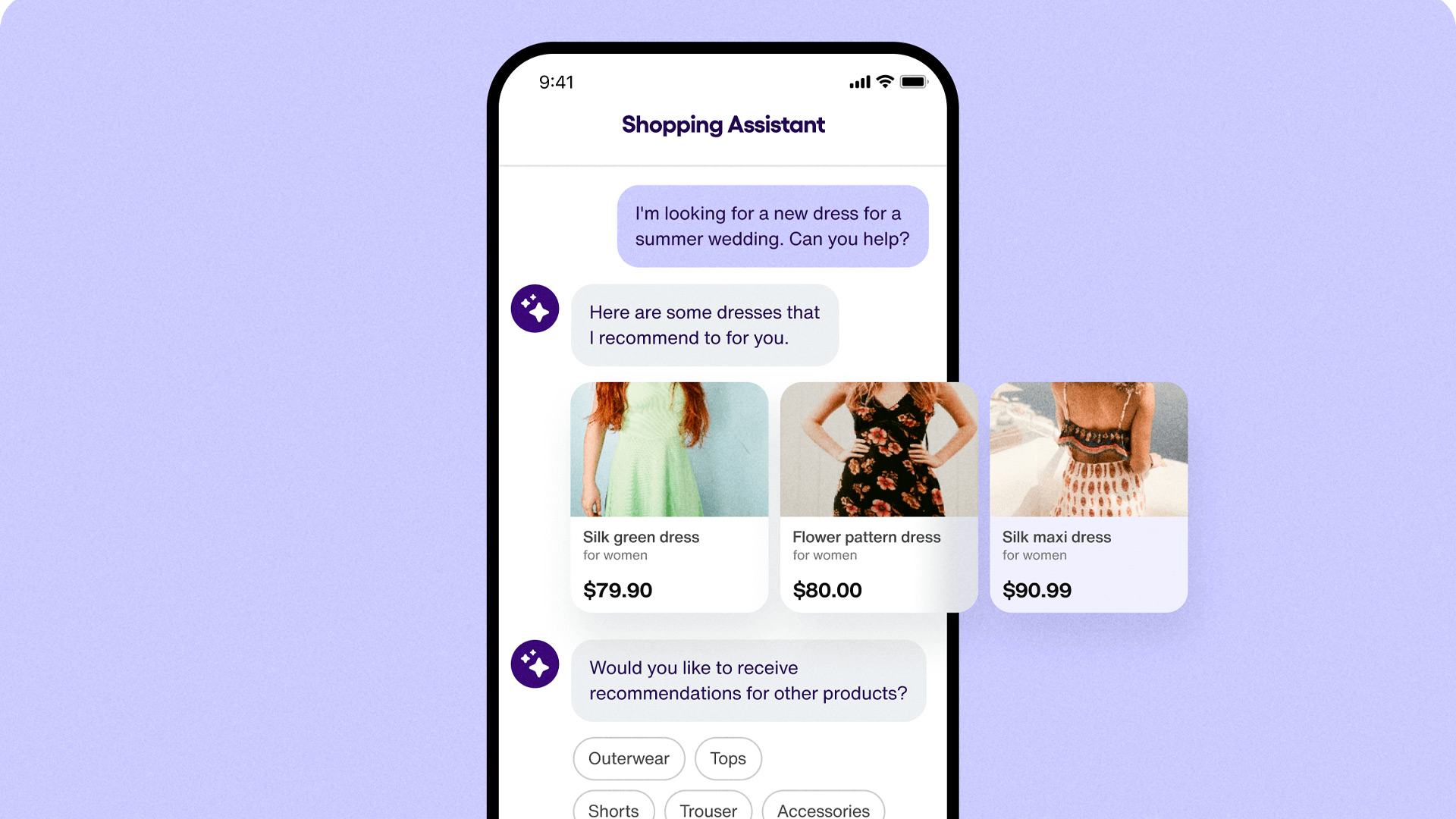
AI's genuine power emerges in everyday applications customized to American buying habits:

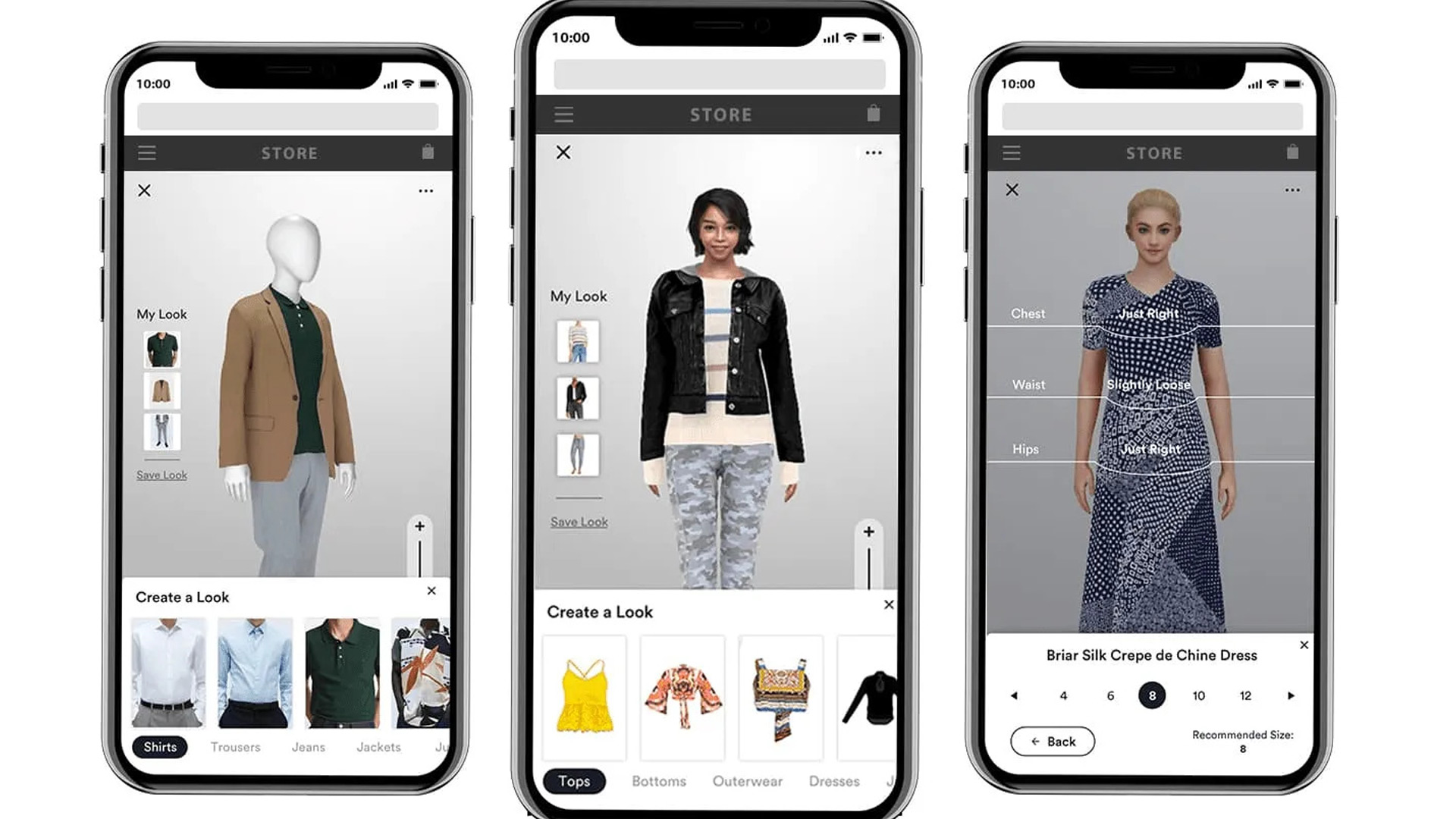

For example, Sephora's AR try-ons and tailored quizzes; Shopify stores' development built-in AI for recommendations.
Looking forward, numerous trends will dominate:
Generative AI traffic to retail sites has gone through the roof, showing a big shift towards AI-driven discovery.
Most are either inexpensive or subscription-based and offer simple integrations.
Challenges are, among others, data privacy, integration difficulty, and potential biases. Best practices to solve these concerns can be described in a list:
From 2025 forward, AI represents the base around which competitive eCommerce websites in the USA are created, rather than an optional feature. Through wise employment of AI in web development, firms have the power to create amazing, individualized customer journeys that, in their turn, boost loyalty, profit, and operational performance in a $1.29 trillion industry.
Regardless of whether you're building on Shopify, WooCommerce, or custom platforms, begin incorporating AI without delay. Reach out to specialists, experiment with tools, and expand your activities incrementally. The smart future of eCommerce is here. Be sure your site is at the forefront of it.

CEO & Founder of DecodeUp, a tech agency helping brands scale in eCommerce and Fintech. With 12+ years of experience, he blends technical expertise with business insight to build user-focused platforms that drive growth, engagement, and lasting impact.


stay in the loop




.jpg)