
Choosing an appropriate eCommerce platform is a crucial decision to make for an online business owner in any field. In a comparison between WooCommerce and Shopify, these two platforms are market leaders and have the most significant impact.
Shopify is a fully hosted solution that is easy to use and is thus excellent for beginners. It helps consumers get their store up and running in a very short time without the need to deal with overly technical problems. On the other hand, WooCommerce is an open-source plugin for WordPress that is incredibly adaptable and is, therefore, the perfect solution for users who wish to have full control over their stores.
This extensive WooCommerce vs Shopify comparison for 2026 looks at the essential factors of pricing, ease of use, customization, SEO, scalability, and more. We evaluate the advantages and cons of each to find which aligns with your business objectives the most.
Afterward, you will have a clear sense of why one might be slightly better than the other in the WooCommerce vs Shopify argument that never stops.
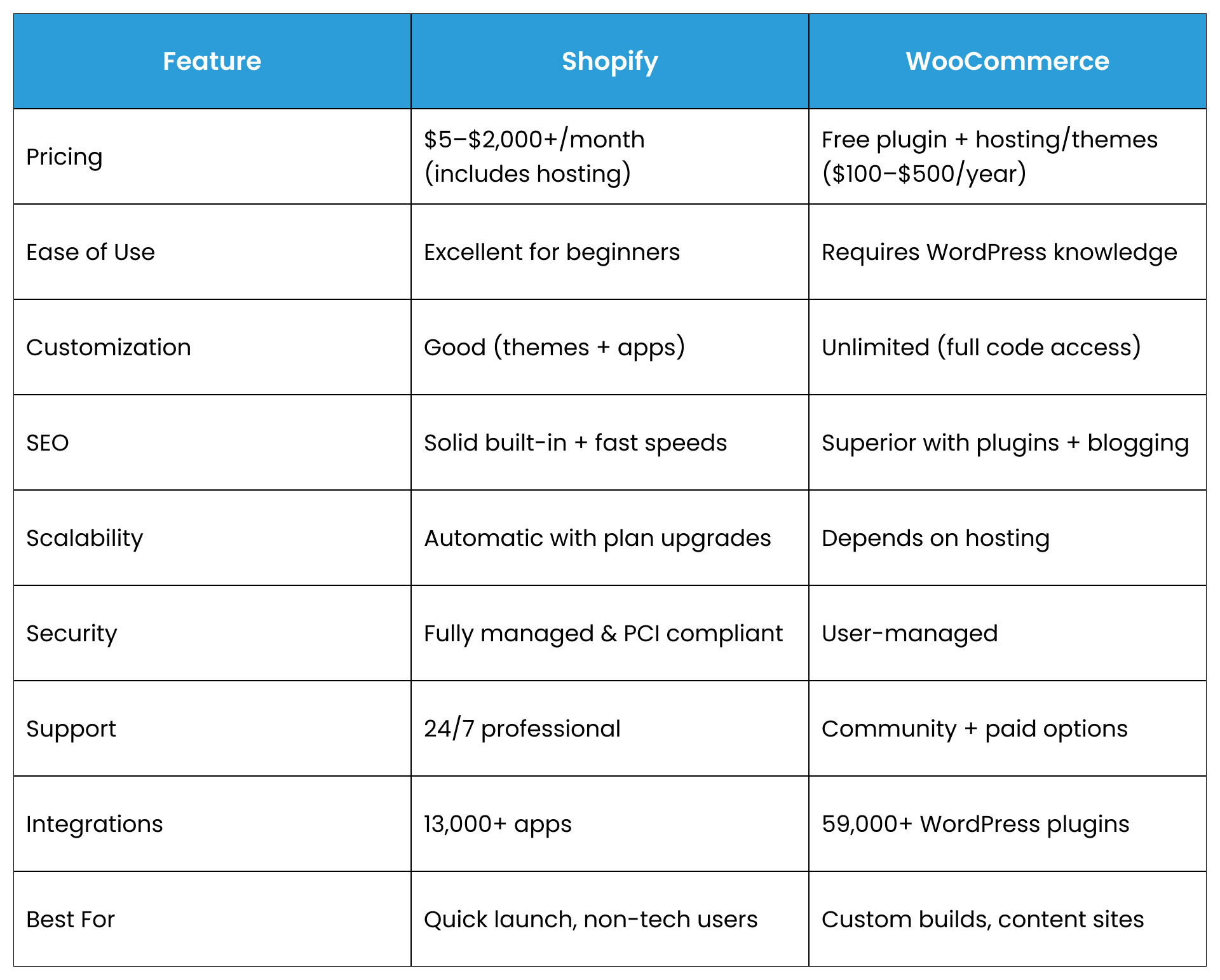
A visual analysis of WooCommerce vs Shopify displays the important differences at a glance.
Shopify is a complete, all-in-one eCommerce platform launched in 2006. It has expanded to power over 4 million online stores globally.
As a Software as a Service (SaaS) solution, Shopify manages everything for you:
This makes it excellent for entrepreneurs who want to focus on selling rather than managing servers.
Key features include:
You can get a professional store up and running in a few hours, add products, and start collecting orders right away.
Shopify is attractive to beginners and entrepreneurs with a demanding schedule, as it does away with technical issues.

The Shopify dashboard is clean and modern, providing a simple overview of your store's performance.
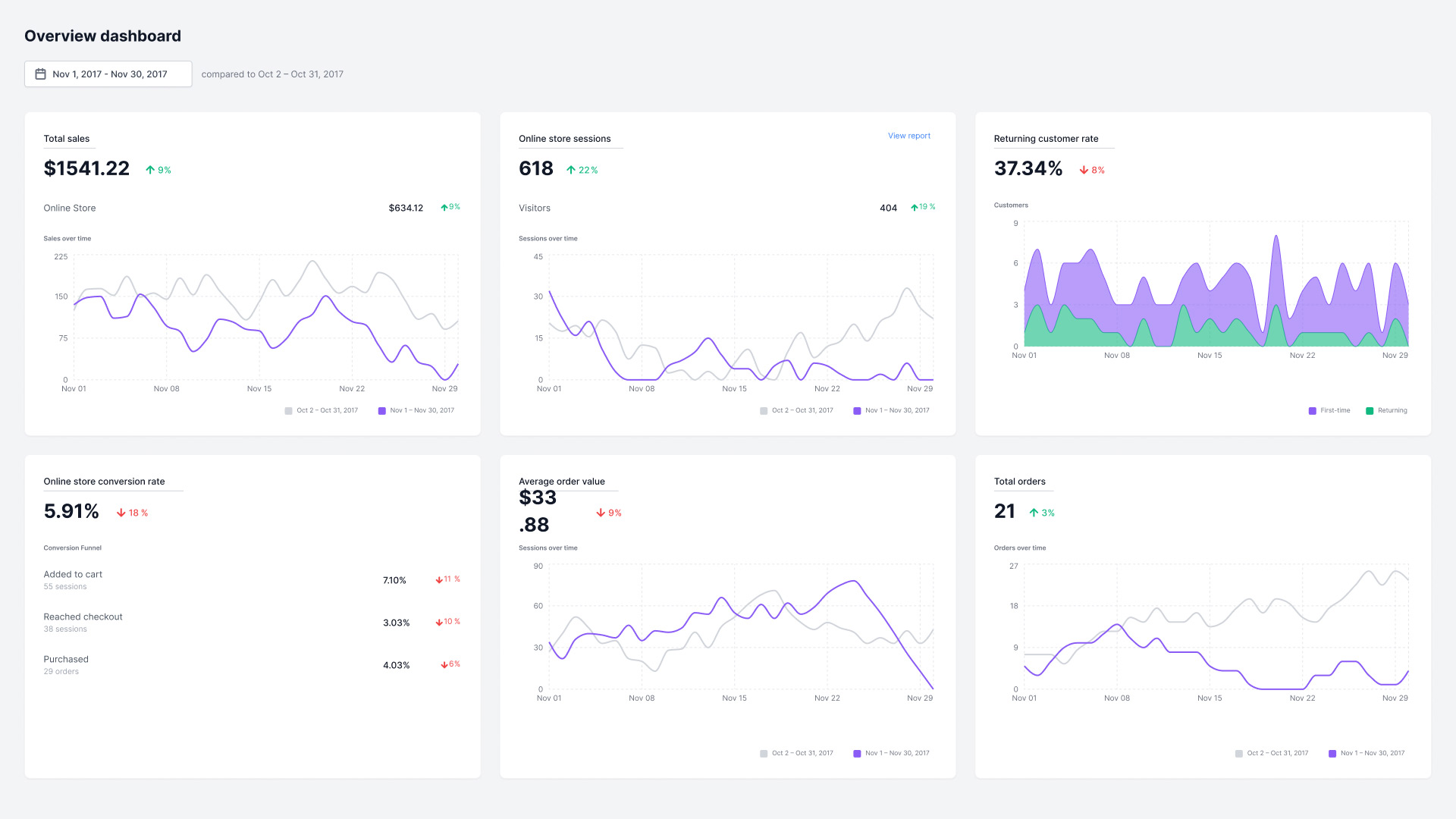
Shopify's analytics section helps track sales and consumer behavior conveniently.
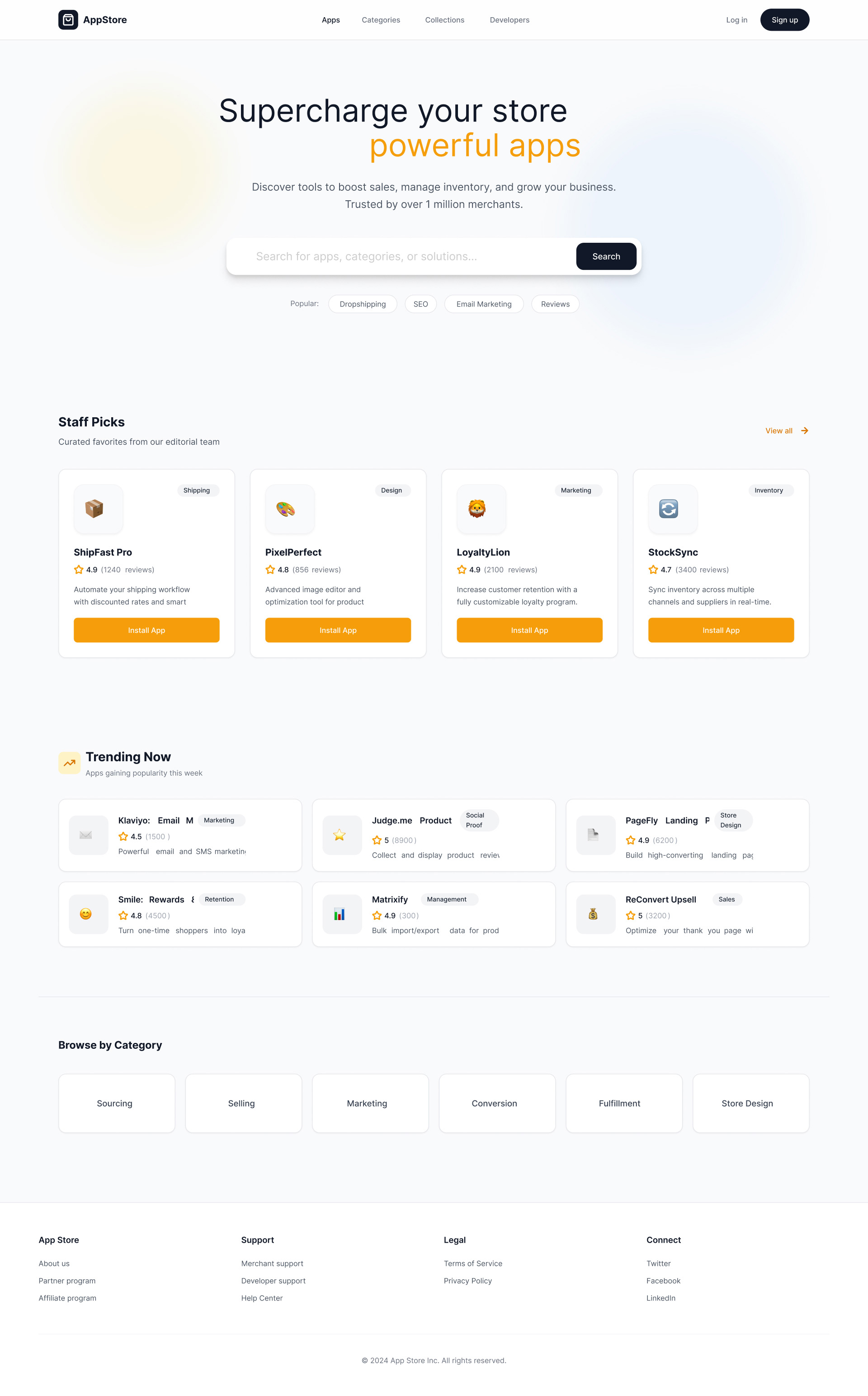
The Shopify App Store is stocked with various extensions to take your store to the next level.
WooCommerce is a free, open-source eCommerce plugin for WordPress, introduced in 2011. It is currently the choice of over 6 million websites. Being an add-on to WordPress, the world's most utilized CMS, WooCommerce allows you to handle both content and commerce under one roof.
This is especially useful for:
WooCommerce is incredibly flexible because:
You still will have to sort out your hosting, domain, and upkeep by yourself.
Setup comprises installing WordPress, adding the WooCommerce plugin, and setting themes/extensions.
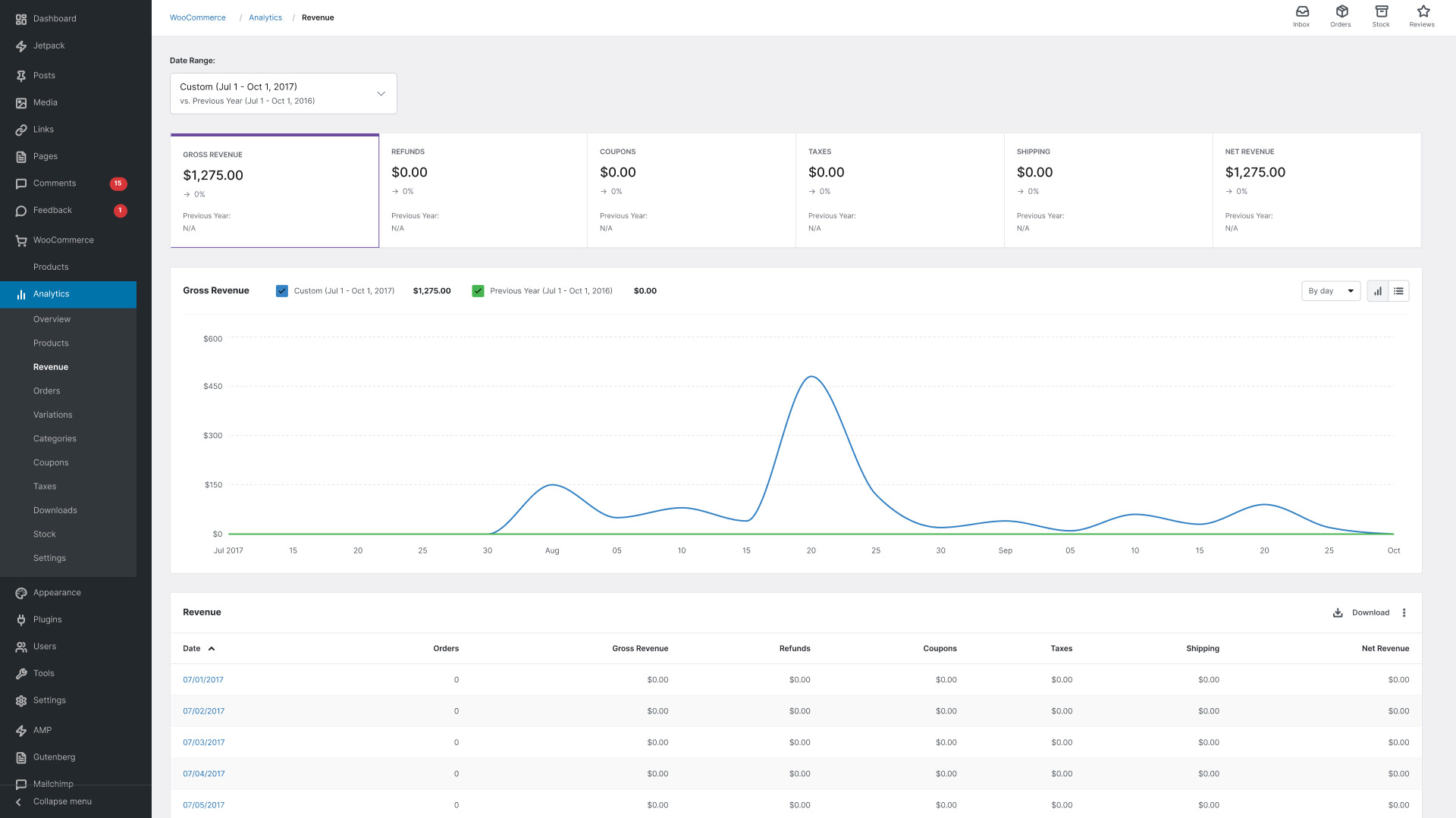
The WooCommerce dashboard integrates effectively with WordPress for unified management.
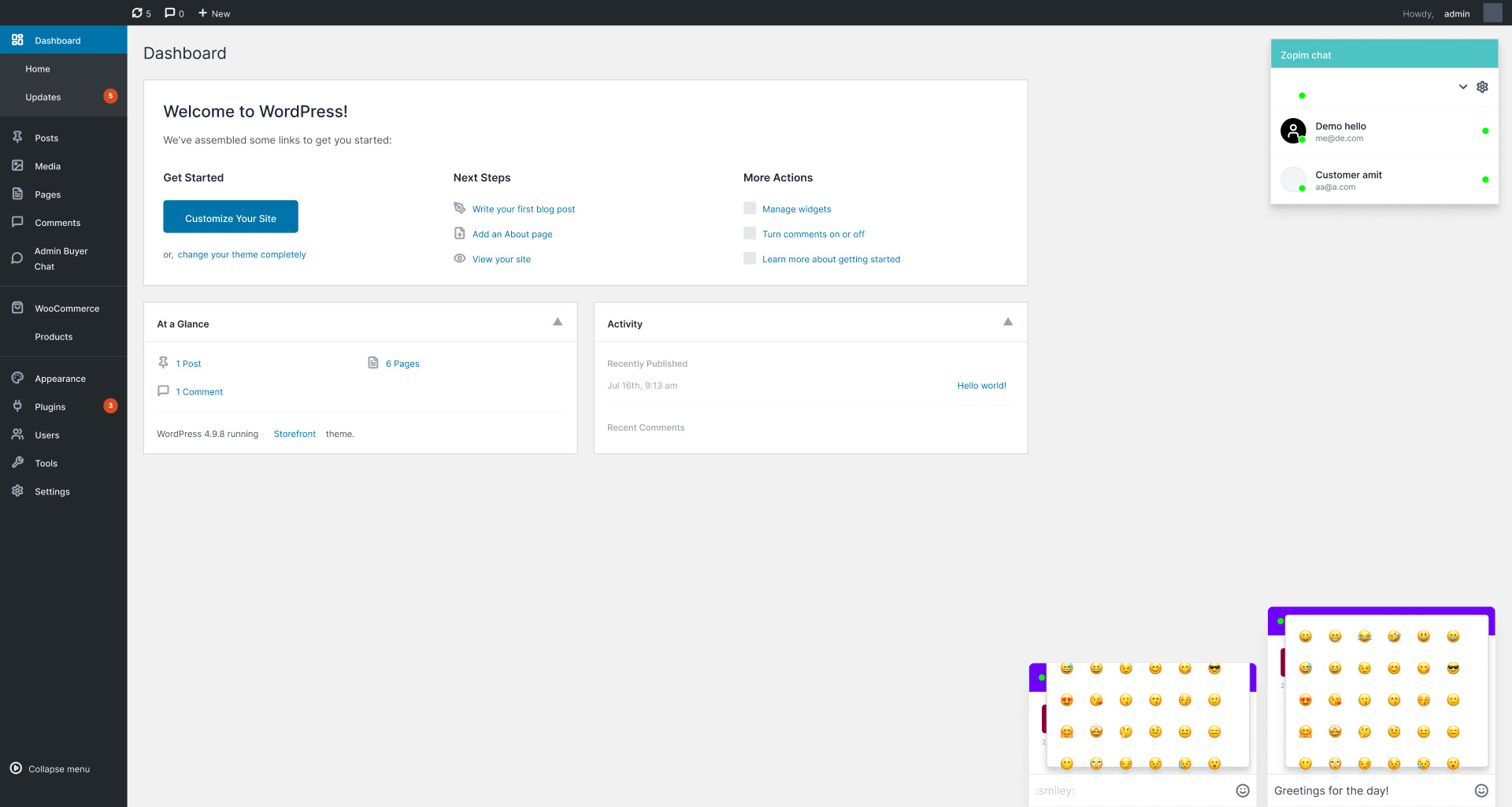
WooCommerce's admin interface displays order and product management tools.

Access to thousands of WordPress plugins that can be used to extend WooCommerce's functionality.
The main difference between WooCommerce and Shopify is the way they work.
It has an impact on the transition from costs to authority.
By categorizing the differences between WooCommerce and Shopify, we can better assess the influence of each aspect on users.
When deciding between WooCommerce vs Shopify, price is the first thing that comes to mind.
Shopify uses a subscription model:
Included in plans:
Extra costs may include:
While WooCommerce remains free at its core, expect to pay for:
Aside from your payment gateway (such as Stripe or PayPal), there are no built-in transaction costs.
Pricing Comparison Between WooCommerce and Shopify: In the long term, WooCommerce is less expensive for high-volume stores than Shopify.
Shopify is an exceptionally user-friendly platform.
Ideal for non-technical users.
WooCommerce demands additional steps:
WordPress is very straightforward to use, but the learning process is difficult for a beginner.
Winner for ease in WooCommerce vs Shopify: Shopify, hands down.
WooCommerce shines in customization.
Shopify provides solid possibilities, but with limitations:
An example of a stunning, professional Shopify-powered store.

Another stunning Shopify store with a simple design.
A highly modified WooCommerce product page example.
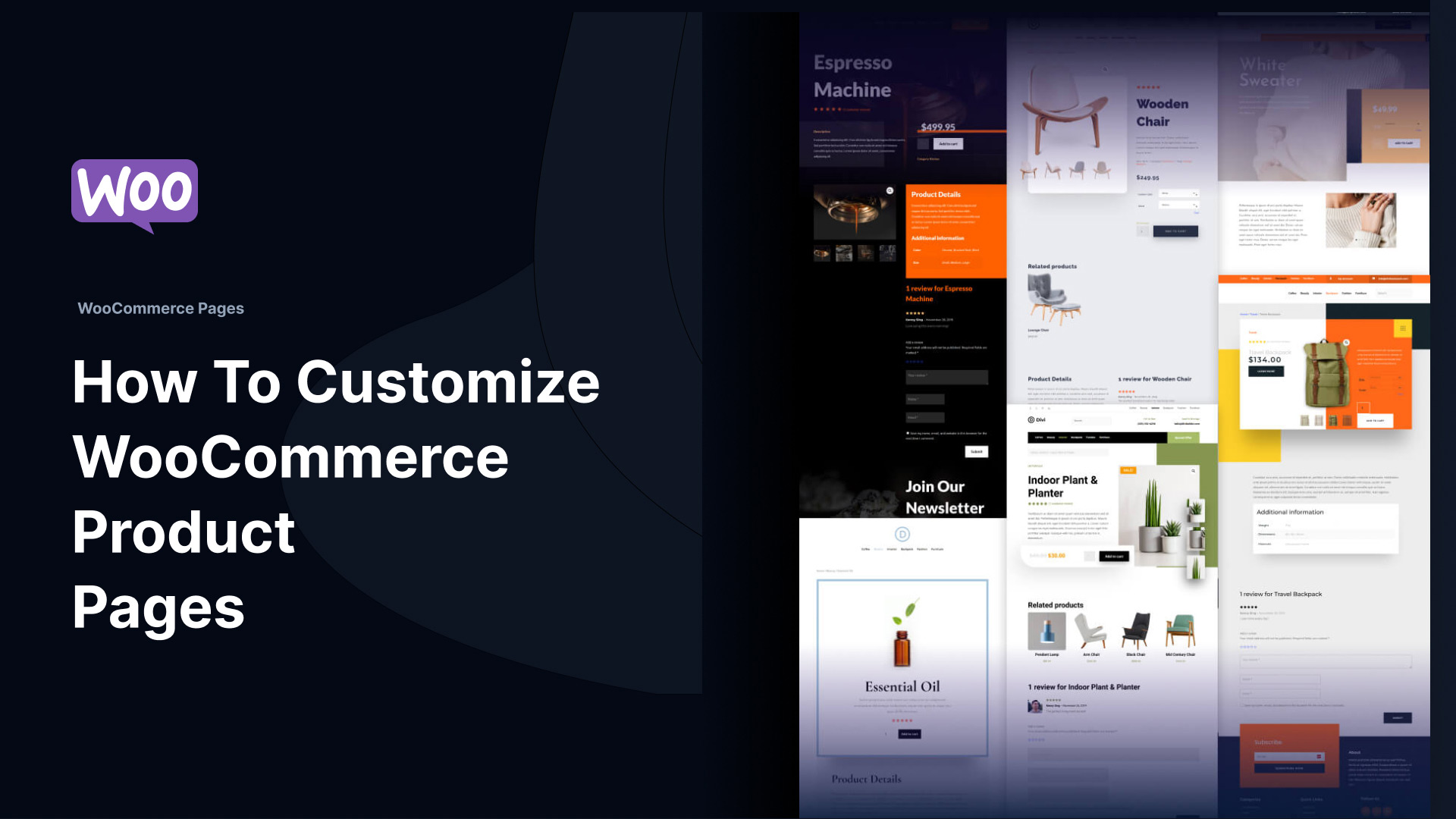
WooCommerce wins in terms of customization when compared to Shopify due to its greater versatility.
SEO is the major factor that determines organic traffic, which is a deciding factor in the WooCommerce vs Shopify comparison.
WooCommerce advantages:
Shopify strengths:
However, blogging is limited, and some URL formats are regulated.
Ecommerce SEO visual graphic for search engine optimization.
Illustration of eCommerce SEO optimization tactics.
The SEO winner in WooCommerce vs Shopify: WooCommerce, primarily for content-rich sites.
Both platforms scale well, but differently.
Shopify:
WooCommerce:
Winner for scalability in WooCommerce vs Shopify: Tie, Shopify for hands-off expansion, WooCommerce for cost, huge scale.
Shopify:
WooCommerce:
Winner for security: Shopify for worry-free protection.
Shopify: live chat, phone, and email are available 24/7
WooCommerce: Community forums, documentation, and paid third-party support.
Winner: Shopify.
Pros:
Cons:
Pros:
Cons:
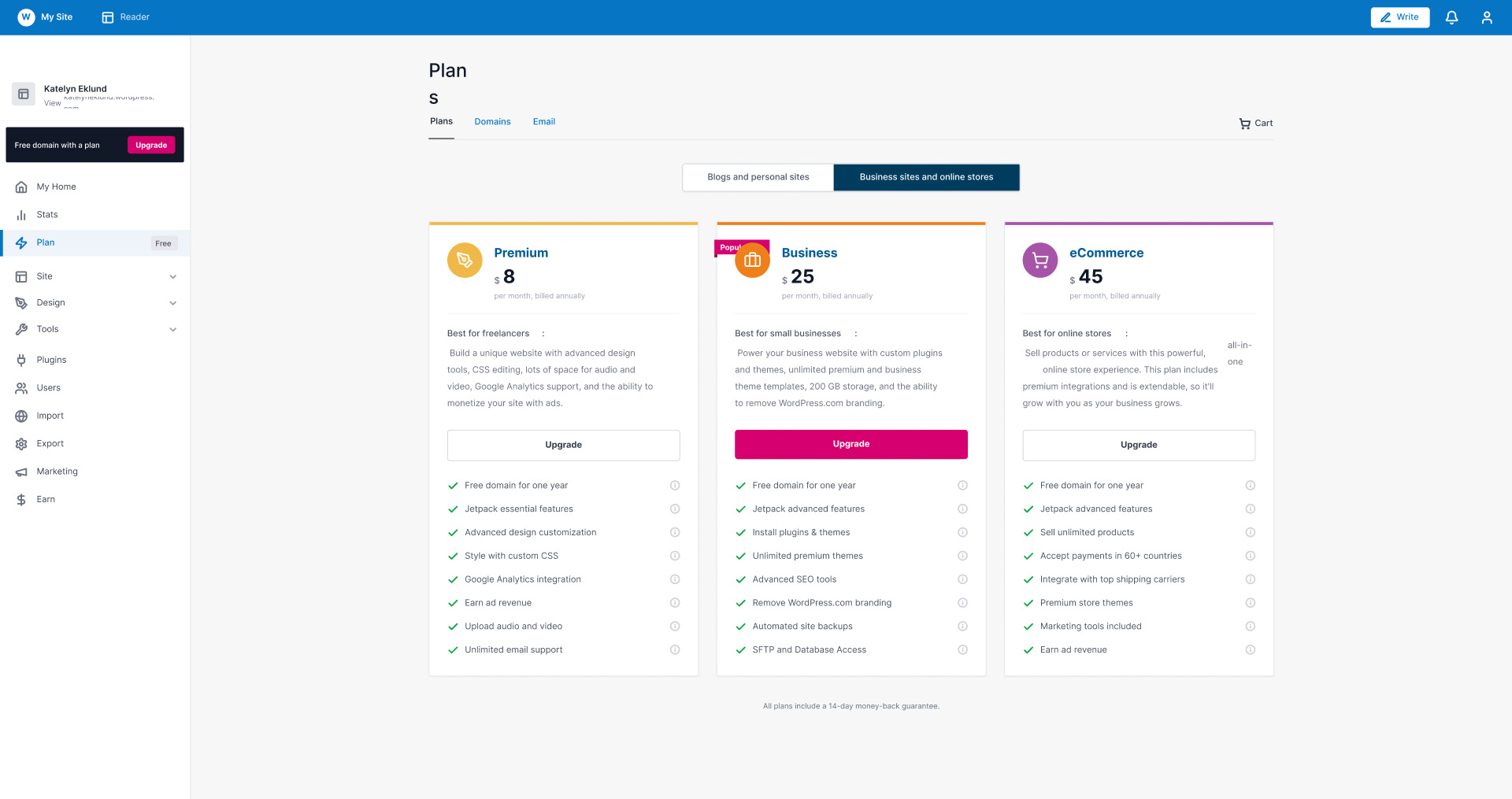
Real-world example of a successful WooCommerce store.
Choose Shopify if:
Choose WooCommerce if:
There is no ultimate winner in the WooCommerce vs Shopify comparison; it completely relies on what you require.
Shopify is best suited for a user who appreciates simplicity, quickness, and assistance. Whereas, WooCommerce is the best when flexibility, savings, and control are the main aspects. Both platforms are home to multiple stores that are equally successful. Experiment with both: Shopify includes a free trial, and you may install WooCommerce for free on a test site.
Concentrate on your products, marketing, and customers; the platform is just the base. Whatever you choose in the WooCommerce vs Shopify problem, your persistent effort will be the key to your success in 2026 and beyond.

CEO & Founder of DecodeUp, a tech agency helping brands scale in eCommerce and Fintech. With 12+ years of experience, he blends technical expertise with business insight to build user-focused platforms that drive growth, engagement, and lasting impact.


stay in the loop


.jpg)